Is My Shampoo Making My Dandruff Worse?
You have been using a dandruff shampoo for weeks, maybe even months, but the flaking and itching have not improved. In fact, they might be getting worse. If that sounds familiar, you are not alone. Millions of people deal with this exact frustration, and the problem is often hiding in plain sight inside your shampoo bottle.
The truth is, not every anti-dandruff shampoo is created equal. Some are loaded with harsh chemicals that strip your scalp of its natural oils, triggering even more flaking and irritation over time. Others only mask the symptoms without addressing the root cause. Understanding what is actually happening on your scalp, and what your shampoo is doing to it, is the first step toward real dandruff relief.
Bhumi Blend specializes in Ayurvedic hair care solutions that work with your scalp’s natural balance rather than against it. If you have been stuck in a cycle of trying one dandruff treatment after another with no lasting results, it is time to rethink your approach entirely.
Why Your Dandruff Shampoo Might Be Making Things Worse
Most commercial dandruff shampoos rely on aggressive active ingredients like zinc pyrithione, ketoconazole, or coal tar. These ingredients can be effective in the short term, but they often come with a hidden cost.
Harsh surfactants and sulfates strip away sebum, the natural oil your scalp produces to stay healthy and moisturized. When your scalp is stripped too aggressively, it overcompensates by producing even more oil. This creates a vicious cycle: more oil feeds the Malassezia fungus responsible for dandruff, which leads to more flaking, which makes you shampoo harder, which strips more oil.
Here are some common signs your shampoo is doing more harm than good:
- Your scalp feels tight and dry right after washing
- Flaking returns within a day or two of shampooing
- You notice increased redness or irritation
- Your hair feels brittle, dull, or straw-like
- The itching gets worse, not better, over time
If any of these sound familiar, the product you are counting on for dandruff control might actually be your biggest obstacle.
What Actually Causes Dandruff?
Before picking a new shampoo, it helps to understand what dandruff really is. Dandruff is not just dry skin falling off your head. It is typically caused by a combination of factors working together.
The Role of Fungus and Scalp Oil
A yeast-like fungus called Malassezia lives on everyone’s scalp. It feeds on the oils your scalp produces. For some people, this fungus grows too rapidly, causing the scalp to shed skin cells faster than normal. Those clumps of dead skin cells are what we see as dandruff flakes.
Seborrheic dermatitis, a more severe form of dandruff, involves inflammation along with the flaking. People with this condition often experience persistent redness and greasy patches on the scalp.
External Triggers That Make It Worse
Several external factors can aggravate dandruff beyond what is happening naturally on your scalp:
- Harsh chemical shampoos that disrupt the scalp’s pH balance
- Overwashing or underwashing your hair
- Stress, poor diet, and hormonal changes
- Product buildup from styling products, silicones, and synthetic conditioners
- Seasonal changes, especially cold, dry weather
Addressing dandruff effectively means tackling these triggers, not just scrubbing flakes away with a medicated dandruff shampoo.
The Bhumi Blend Approach to Scalp Care
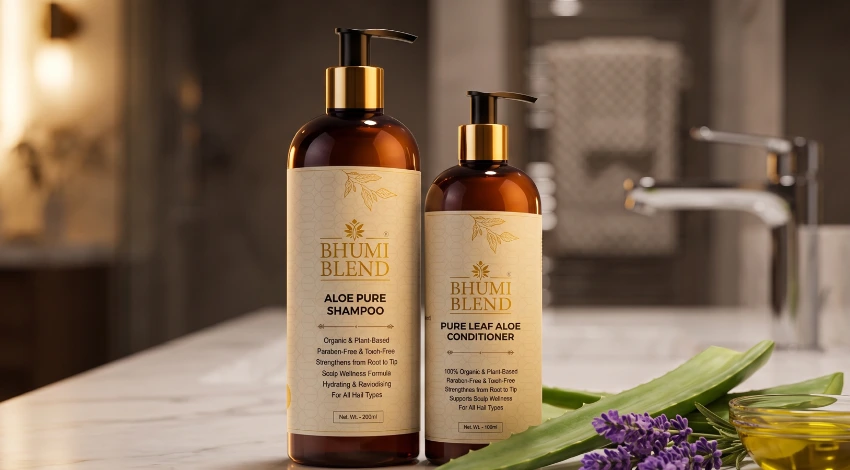
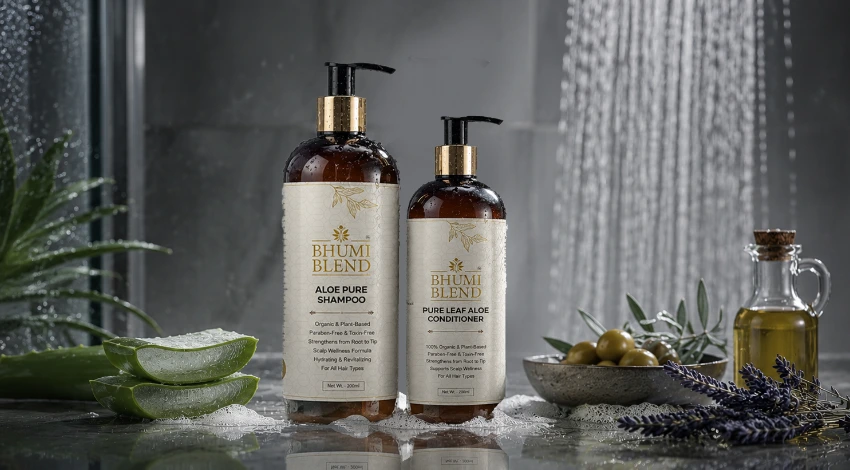
Bhumi Blend takes a fundamentally different approach to dandruff treatment. Instead of attacking your scalp with chemicals, Bhumi Blend’s Ayurvedic hair care products focus on restoring balance to the scalp ecosystem.
Ayurveda has recognized for thousands of years that healthy hair starts with a healthy scalp. Bhumi Blend’s natural hair care formulations draw on this wisdom, using botanicals and plant-based actives that calm inflammation, regulate oil production, and gently discourage fungal overgrowth without the harsh side effects of conventional products.
Key benefits of choosing Bhumi Blend for your scalp care routine:
- Sulfate-free formulations that cleanse without stripping your scalp
- Natural antifungal botanicals that address the root cause of flaking
- Gentle, pH-balanced ingredients suitable for sensitive scalps
- No synthetic fragrances or parabens that can irritate already compromised skin
- Nourishing herbs that strengthen hair and reduce dandruff-related hair loss
Rather than providing temporary relief that wears off in 48 hours, Bhumi Blend’s products aim to restore your scalp’s natural defense system so dandruff does not keep coming back.
How to Choose the Best Dandruff Shampoo for Your Scalp
Not every scalp is the same, and the best dandruff shampoo for you depends on what is actually going on underneath your hair. Here is a practical framework for making a smarter choice.
Identify Your Scalp Type First
Is your scalp oily, dry, or somewhere in between? Oily scalps tend to deal with greasy, yellowish flakes tied to seborrheic dermatitis. Dry scalps produce smaller, white flakes and feel tight or itchy. Combination scalps can show both patterns in different areas.
Bhumi Blend offers products tailored to different scalp conditions, so you are not stuck using a one-size-fits-all formula that ignores your specific needs.
Read the Ingredient Label Carefully
Avoid shampoos that list sodium lauryl sulfate (SLS) or sodium laureth sulfate (SLES) as primary cleansing agents. These are the most common culprits behind scalp dryness and irritation.
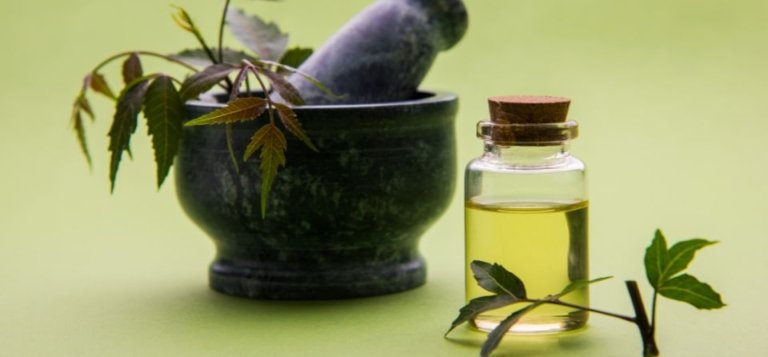
Look for natural dandruff shampoo options that include ingredients like neem, tea tree oil, aloe vera, bhringraj, and fenugreek. These botanicals have proven antifungal and anti-inflammatory properties and are central to Bhumi Blend’s Ayurvedic formulations.
Also watch out for artificial fragrances labeled as “parfum” on ingredient lists. They are a frequent source of allergic reactions on sensitive scalps.
Building a Scalp Care Routine That Actually Works
Switching to a better shampoo is an important step, but lasting dandruff relief comes from building a complete scalp care routine. Here is what a balanced approach looks like:
- Wash at the right frequency. For most people, every two to three days is ideal. Overwashing strips oils, and underwashing lets buildup accumulate.
- Use lukewarm water, not hot. Hot water inflames the scalp and accelerates oil production.
- Massage gently while shampooing. Use your fingertips, not your nails. Scrubbing aggressively damages the scalp barrier.
- Follow up with a lightweight conditioner. Apply it to your lengths and ends only, keeping it off the scalp.
- Consider a weekly scalp treatment. Bhumi Blend’s Ayurvedic hair oils can be applied before washing to nourish the scalp and loosen flakes naturally.
Consistency matters more than intensity. A gentle, natural routine practiced regularly will outperform any aggressive medicated dandruff shampoo used sporadically.
When Should You See a Dermatologist?
While most dandruff responds well to the right shampoo and scalp care routine, some cases need professional attention. You should consult a dermatologist if:
- Your dandruff persists after four to six weeks of consistent care with a quality product
- You notice thick, crusty patches or sores on your scalp
- The flaking spreads to your face, eyebrows, or ears
- You experience significant hair loss alongside the dandruff
These could be signs of a more serious condition like psoriasis or a severe case of seborrheic dermatitis that requires targeted medical treatment. A good scalp care routine with Bhumi Blend products can complement any dermatologist-prescribed plan and help maintain results long term.
If your dandruff keeps coming back no matter what you try, the problem might not be your scalp. It might be your shampoo. Harsh chemicals, sulfates, and synthetic ingredients can strip your scalp’s natural balance, creating a cycle of dryness, overproduction of oil, and persistent flaking that never fully resolves.
Breaking that cycle starts with choosing products designed to work with your scalp, not against it. Bhumi Blend’s Ayurvedic hair care range offers a natural, gentle, and effective alternative to conventional dandruff shampoos. By using plant-based ingredients rooted in centuries of Ayurvedic tradition, Bhumi Blend helps restore scalp health at its foundation so you can finally move past the frustration of dandruff for good.
Explore Bhumi Blend’s complete range of natural hair care and scalp care products to find the right solution for your scalp type. Your hair deserves better than another bottle of the same thing that is not working.
Frequently Asked Questions
Can dandruff shampoo make dandruff worse?
Yes, shampoos with harsh sulfates can strip your scalp’s natural oils, triggering more oil production and worsening flaking over time.
What is the best natural alternative to medicated dandruff shampoo?
Sulfate-free shampoos with natural antifungal ingredients like neem and tea tree oil, such as those from Bhumi Blend, effectively treat dandruff without harsh side effects.
How often should I wash my hair if I have dandruff?
Washing every two to three days with a gentle, natural dandruff shampoo is ideal for most people to keep flaking under control without irritating the scalp.